

Building Your Fashion Brand with AI Content
The strategic framework for building a compelling fashion brand using AI-generated content. Covers visual identity, content pillars, consistency systems, and the compound effect of sustained brand building.

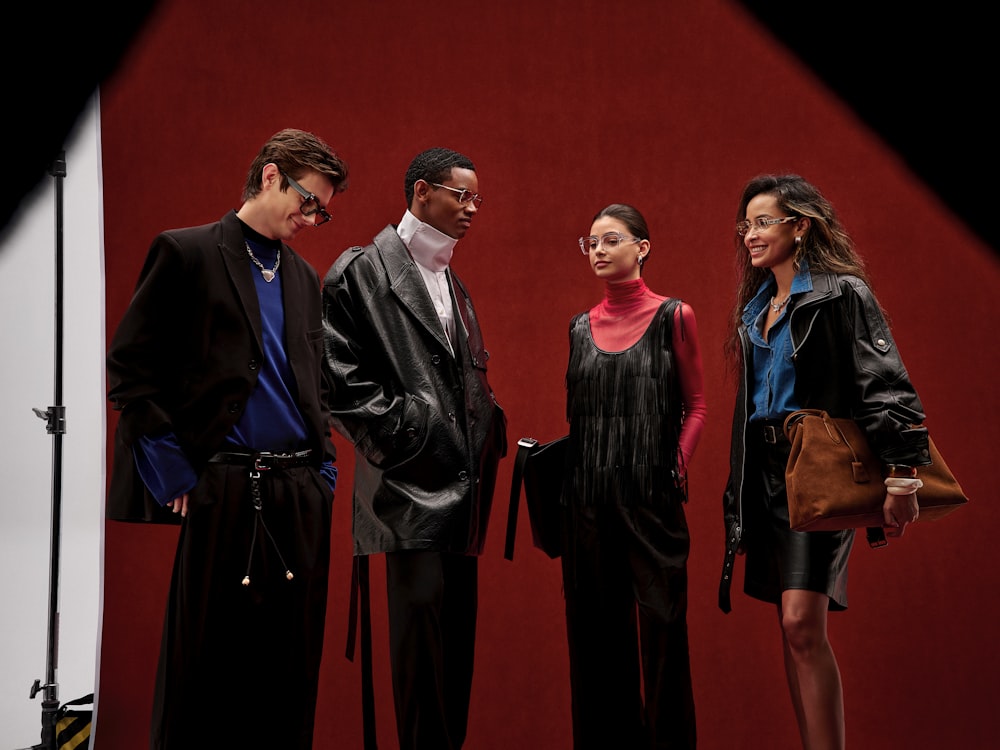
Made with Fittins AI · View this image
A fashion brand is more than a logo and a product line. It is a visual identity that tells a story, evokes an emotion, and creates a relationship with its audience. The brands that succeed are the ones that maintain a consistent, compelling visual presence across every touchpoint: e-commerce, social media, advertising, editorial, and physical retail. AI content tools have democratized the ability to build and sustain that visual identity, giving brands of every size the production capabilities once reserved for those with dedicated creative teams.
This article provides the strategic framework for building a fashion brand with AI-generated content: from defining your visual identity to scaling production, maintaining consistency, and measuring the brand equity that accumulates over time.
Defining Your Visual Identity with AI
Your brand's visual identity is encoded in three elements that AI makes tangible and reproducible: your brand character (virtual model), your style anchor (prompt template), and your reference library (curated best outputs).
The Brand Character
Create one or two custom AI characters that serve as your brand's face. These characters should reflect your target customer demographic: their age range, body type, and aesthetic sensibility. The character appears across all content, building the visual recognition that transforms scattered images into a cohesive brand presence. On Fittins AI, create your character from a high-quality reference photo or a text description (40 credits each; not available on the Free plan) and check consistency across multiple generation contexts.
The Style Anchor
A style anchor is a base prompt you write once and reuse that encodes your brand's visual DNA: preferred lighting style, color palette, compositional approach, background aesthetic, and quality keywords. Fittins AI has no built-in template library, so keep your anchor in a document and start every prompt (up to 1,500 characters) from it, ensuring that even images produced weeks apart share the same visual identity. Update the style anchor seasonally to reflect collection themes while maintaining core brand consistency.
The Reference Library
Curate a library of your best AI-generated outputs. These serve as quality benchmarks, team alignment references, and creative direction guides. When bringing new team members or collaborators into your content production process, the reference library communicates your visual standards more effectively than any written brief.
Content Strategy for Brand Growth
The Five Content Pillars:
- Daily social content -- Maintain a consistent posting schedule using AI-generated imagery. Consistency builds algorithmic favor and audience habit. Use Turbo/Default tier for volume.
- Seasonal campaigns -- Produce complete campaign packages for each collection launch. Hero images at Ultra, supporting content at Default/Premium. This is where your brand makes its strongest visual impression.
- Educational content -- Create behind-the-scenes style content: design inspiration, styling tips, fabric stories, and care guides. Educational content builds trust and positions your brand as an authority.
- Community content -- Generate variations of customer-submitted outfit ideas, styling challenges, and trend responses. Community engagement content builds loyalty and generates organic reach.
- Collaborative content -- AI enables rapid creation of partnership and collaboration visuals. Test co-branded concepts before committing to formal partnerships.
Consistency: The Invisible Brand Asset
Visual consistency is the most underrated brand asset. Every image, every video, every piece of content that reinforces the same visual identity builds cumulative brand recognition. When a potential customer encounters your content for the tenth time and subconsciously recognizes it as yours before reading the brand name, that is the compound effect of visual consistency.
AI makes this consistency achievable at a level that traditional production cannot match. Your custom character never changes. Your style anchor ensures consistent lighting and composition. Your prompt templates produce reliable results. The cumulative effect is a brand that looks and feels intentional, professional, and trustworthy across every customer touchpoint.
The Compound Effect
After six months of consistent AI content production, your brand will have: a recognizable visual identity, an established content rhythm, an optimized production workflow, a library of proven prompt templates, and performance data that informs every creative decision. This compound advantage widens every month.

Brand building is a long game. AI gives you the production capacity to play that game consistently, week after week, without the budget constraints that used to force compromises.
— Fittins AI Team
Continue reading

