

The Always-On Studio: Planning a Full Year of Seasonal AI Fashion Campaigns
Traditional brands shoot quarterly and scramble for the rest of the year. With AI, you can run an always-on content studio. Here is a complete 12-month seasonal campaign framework.

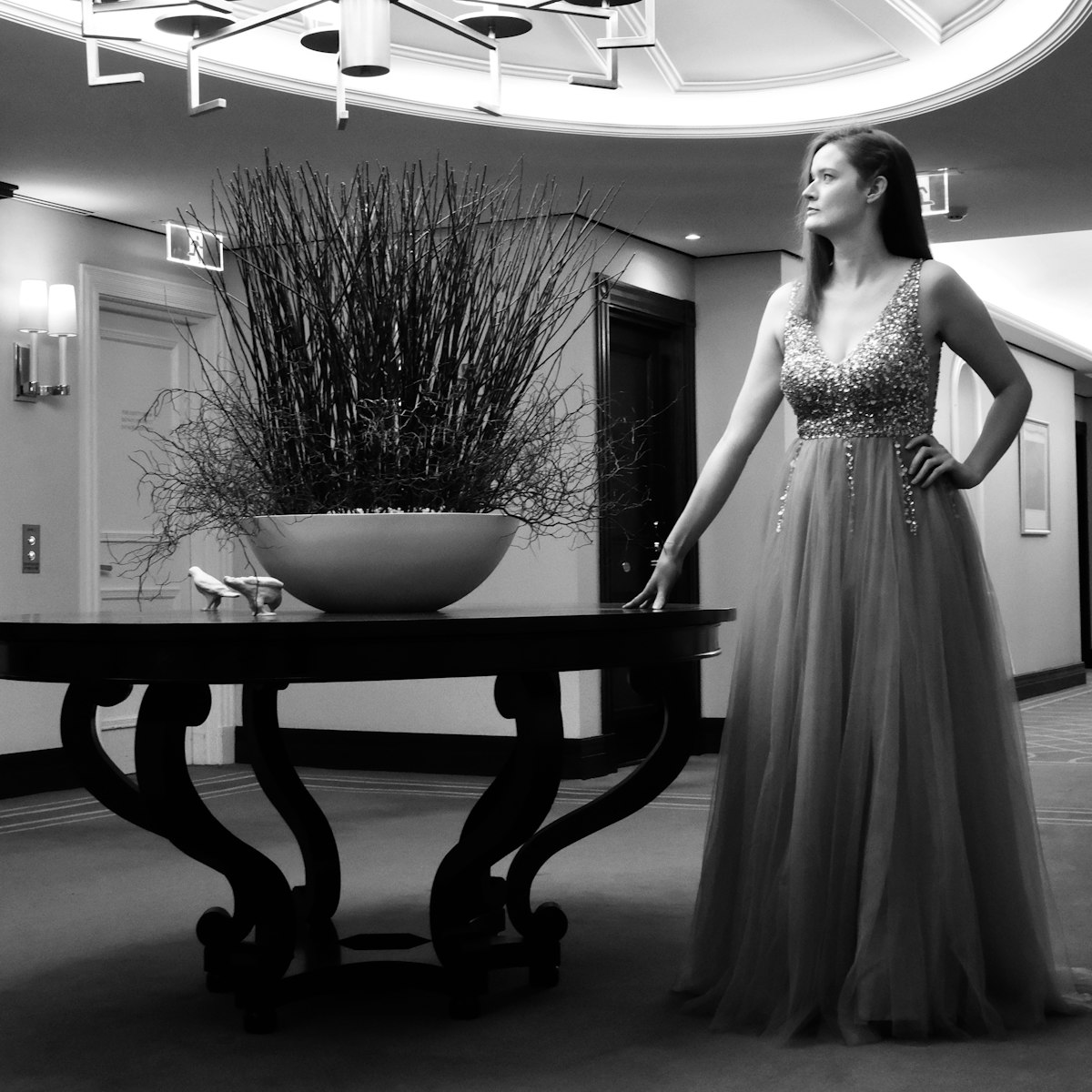
Made with Fittins AI · View this image
Most fashion brands live in feast or famine. They pour their budget into two or three big seasonal shoots, publish everything in a rush, and then go quiet for months until the next shoot. The feed goes stale, the algorithm forgets them, and customers drift.
AI dissolves that constraint. When a campaign costs hours instead of a five-figure production budget, you can run an always-on studio — a steady, planned drumbeat of fresh content all year. The catch is that "always-on" without a plan just becomes noise. This is the plan.
The Shift
Old model: 3 big shoots a year, then silence. New model: one lightweight planned campaign every 2–4 weeks, produced in batches, mapped to real retail moments. Same brand, ten times the presence.
Think in Tentpoles and Fillers
A good calendar has two layers. Tentpoles are your major moments — the seasonal launches and cultural events everyone plans around. Fillers are the lightweight, always-on content that keeps momentum between tentpoles: styling tips, single-product spotlights, behind-the-scenes, and trend reactions. Plan the tentpoles first, then fill the gaps.
The Universal Retail Tentpoles
- Spring/Summer launch (Jan–Mar) — lighter fabrics, brighter palette, renewal messaging.
- Fall/Winter launch (Aug–Oct) — layering, texture, richer tones.
- Holiday & gifting (Nov–Dec) — the single biggest revenue window; plan it in Q3.
- Key sale moments — end-of-season, Black Friday/Cyber Week, mid-year clearance.
- Cultural hooks — Valentine’s, back-to-school, wedding season, festival season.

Work One Season Ahead
Publish spring content while the industry is still in winter. Because AI production is fast, you can afford to plan and batch a full season 6–8 weeks before it lands — arriving early is a genuine competitive edge.
A Month-by-Month Framework
Here is a skeleton you can adapt to any market. The point is not to copy it exactly — it is to always know what you are shooting next and why.
Q1  Jan  New-year renewal · SS teaser        (tentpole prep)
    Feb  Valentine’s edit · SS launch
    Mar  Full spring campaign · styling series

Q2  Apr  Trans-seasonal layering · wedding edit
    May  Summer preview · festival looks
    Jun  Peak summer hero campaign

Q3  Jul  Mid-year sale · vacation capsule
    Aug  Back-to-school / back-to-work · FW teaser
    Sep  Full fall campaign · texture story

Q4  Oct  Fall styling series · Halloween hook
    Nov  Holiday hero · Black Friday / Cyber Week
Dec Gifting guide · party edit · year-in-reviewAdapt to Your Hemisphere
Flip the seasonal blocks for the Southern Hemisphere, and lean into the cultural moments that matter to your specific audience. The structure — plan tentpoles, fill the gaps, work ahead — stays the same everywhere.
The Batch Production Workflow
The secret to sustaining an always-on studio without burning out is batching. Do not create content the day it publishes. Instead, run focused production sprints and bank a library you draw down over weeks.
Plan the sprint (half a day)
Pick the tentpole, lock the palette and mood, choose your models and locations, and list every asset you need — hero images, product spotlights, vertical video, and filler posts.
Generate in one focused session
Produce the entire batch in a single sitting while your art direction is warm and consistent. Generating a full campaign in one flow keeps the color, lighting, and mood coherent across every asset.
Curate and grade
Select the strongest frames, apply your consistent grade, and organize assets by publish date. Ruthless curation is what separates a premium feed from a firehose.
Schedule and drip
Load the batch into your scheduler and release it steadily. One good production sprint should feed two to four weeks of publishing across all channels.
The 3:1 Buffer
Aim to always have three weeks of content banked ahead of what you have published. That buffer means a busy week, a sick day, or a sudden opportunity never breaks your consistency.
Staying Reactive Without Losing the Plan
A calendar should be a backbone, not a cage. The magic of AI production is that you can react to a sudden trend, a viral moment, or a weather shift in hours — dropping a timely piece into your schedule without derailing the plan. Reserve roughly 20% of your calendar as flexible space for exactly this.
In fashion, timing is a form of talent. Being early to the season is worth more than being loud in it.
— Fittins AI Editorial
Run Your Studio on Fittins AI
Fittins AI is built for exactly this rhythm — run all the generations for a seasonal campaign in one focused session (several can run at the same time), keep your models, locations, and palette consistent across every asset, and never let your feed go quiet again. Plan the year once; produce it all year.
Continue reading

