

The Ethics of AI-Generated Fashion Imagery
A balanced, comprehensive exploration of the ethical dimensions of AI fashion imagery: transparency, representation, labor impact, consent, and the practical framework for responsible AI content creation.

Made with Fittins AI · View this image
As AI-generated fashion imagery becomes indistinguishable from traditional photography, the industry faces important ethical questions that every brand, creator, and platform must address. These are not abstract philosophical debates; they are practical considerations with real consequences for consumers, industry workers, and the broader cultural conversation about beauty, representation, and authenticity.
This article provides a balanced, comprehensive exploration of the ethical dimensions of AI fashion imagery: transparency and disclosure, representation and body standards, artistic credit and intellectual property, labor impact and industry transition, responsible usage guidelines, and the emerging best practices that leading brands are adopting.
Transparency and Disclosure
The most fundamental ethical obligation in AI fashion content is transparency. Consumers have a right to know when the images they see are created by AI rather than captured by a camera. This does not mean AI content is less valuable or less authentic; it means consumers deserve accurate information about how the content they consume was produced.
Disclosure builds trust rather than undermining it. Telling consumers about AI involvement up front avoids the sense of being misled that comes from discovering it later, and signals that the brand is honest and forward-thinking. The brands that proactively disclose AI usage are building deeper trust than those who attempt to hide it.
Disclosure Best Practices:
- Image-level labeling -- Small, unobtrusive labels on AI-generated images (e.g., "Created with AI" or "AI-Generated").
- Website disclosure -- A dedicated section explaining your brand's approach to AI in content creation.
- Social media transparency -- Hashtags or captions that indicate AI involvement (#AICreated, #AIFashion).
- Advertising compliance -- Follow regional advertising regulations regarding AI content disclosure, which are evolving rapidly.
- Retailer communication -- If selling through third-party retailers, inform them about which product images are AI-generated.
The Trust Dividend
Disclosure does not have to cost you engagement. Some customers appreciate the transparency and are curious about the AI technology behind the content. Track engagement and conversion before and after you add labels to see the effect for your own audience.
Representation and Body Standards
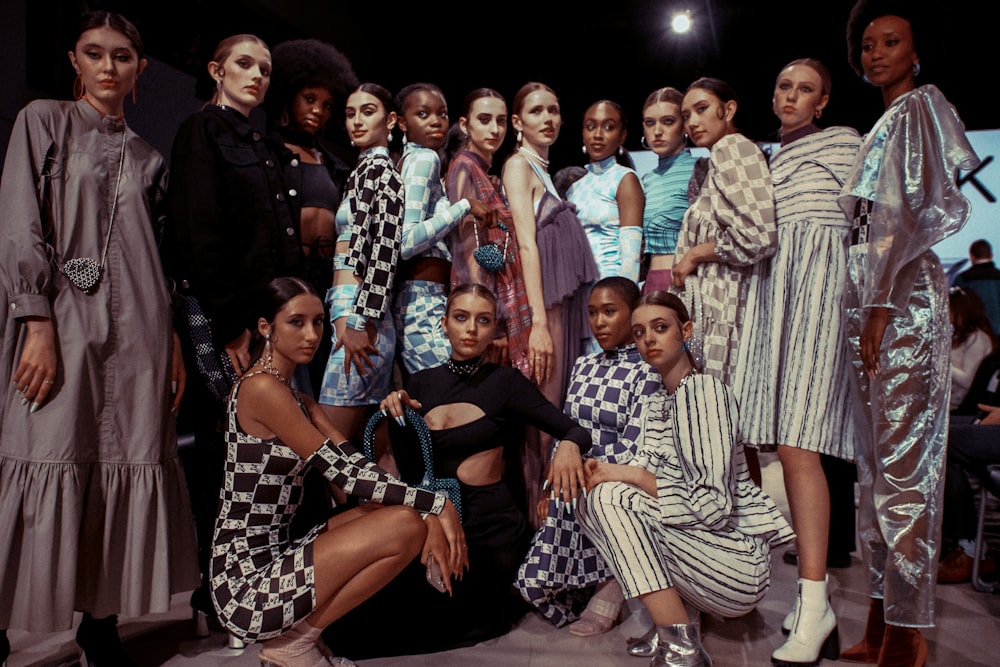
AI presents both an unprecedented opportunity and a significant risk regarding body representation in fashion. The opportunity: AI can create fashion imagery featuring any body type, skin tone, age, ability, and cultural background without the logistical and budget constraints that have historically limited diversity in fashion photography. A brand can represent its full customer base visually for the first time.
The risk: the same technology can perpetuate or even amplify unrealistic beauty standards if used carelessly. AI models trained primarily on fashion magazine imagery may default to producing images that reflect the narrow beauty standards historically prevalent in those publications. Overriding these defaults requires intentional action from the humans directing the AI.
Intentional Diversity
Diversity must be a deliberate design choice, not an afterthought. When creating custom characters on Fittins AI, intentionally build a diverse roster of virtual models representing different body types, ethnicities, ages, and abilities. This roster should reflect your actual customer base, not an idealized or homogenized version of it.
Representation Checklist:
- Body diversity -- Include models of different sizes, heights, and body proportions.
- Skin tone range -- Represent the full spectrum of skin tones in your target market.
- Age representation -- Include models across age ranges relevant to your customer demographics.
- Cultural context -- Ensure styling, settings, and presentation respect cultural specificities.
- Ability representation -- Include adaptive fashion and models with visible disabilities where appropriate.
- Gender expression -- Represent the range of gender expressions present in your customer base.
Impact on Fashion Industry Workers
The adoption of AI in fashion content production affects the livelihoods of models, photographers, stylists, makeup artists, and other professionals. Acknowledging this impact honestly is essential for responsible AI adoption.
The reality is nuanced. AI is not eliminating all fashion photography jobs. It is changing the job mix: reducing demand for routine catalog photography while maintaining or increasing demand for creative direction, brand strategy, and high-end editorial work. Simultaneously, AI is creating entirely new job categories that did not exist before: prompt engineers, AI content directors, virtual character designers, and AI quality assurance specialists.
Supporting Workforce Transition
Responsible Transition Strategies:
- Gradual adoption -- Implement AI alongside existing production workflows rather than as an immediate wholesale replacement.
- Skill development -- Invest in training programs that help fashion professionals develop AI-complementary skills.
- New role creation -- Recognize and compensate the new skill sets that AI workflow management requires.
- Hybrid models -- Maintain traditional photography for contexts where human creativity adds irreplaceable value.
- Industry advocacy -- Support industry bodies developing fair guidelines for AI adoption in fashion.
Consent and Likeness Rights
AI should never be used to generate images of real individuals without their explicit consent. Creating fashion imagery that depicts identifiable people, whether celebrities, models, or private individuals, without permission is an ethical violation regardless of its legality in any specific jurisdiction. When creating custom characters, use original reference materials that you have the rights to use, and ensure the resulting character is a new creation rather than a digital replica of an existing person.
A Framework for Ethical AI Fashion Content
Disclose
Always inform your audience when content is AI-generated. Transparency is non-negotiable.
Represent
Create diverse, realistic, and inclusive virtual characters that reflect your actual customer base.
Respect
Never use AI to replicate real individuals without consent. Protect likeness rights absolutely.
Support
Maintain human creative oversight and support workforce transition through training and new role creation.
Evolve
Stay current with evolving ethical guidelines, industry standards, and regulatory requirements for AI content.
Ethics is not a constraint on AI innovation. It is the foundation that makes AI innovation sustainable, trustworthy, and genuinely beneficial for everyone in the fashion ecosystem.
— Fittins AI Team
Continue reading


