
The seven most significant AI fashion trends shaping the industry in 2026. From hyper-personalization to AI-native brands, these developments define the competitive landscape every fashion professional must navigate.

The pace of AI innovation in fashion is accelerating. Every quarter brings new capabilities, new use cases, and new competitive dynamics that reshape how the industry creates, markets, and sells fashion. The brands that identify and act on these trends early build compounding advantages. Those that wait find themselves playing catch-up in an increasingly fast-moving landscape.
This article highlights the most significant AI fashion trends actively shaping the industry in 2026, with analysis of their practical implications and strategic guidance for brands of every size.
The most commercially significant trend in AI fashion is the shift from universal product imagery to personalized visual experiences. Retailers are beginning to serve AI-generated product images tailored to individual shoppers: the same garment shown on a model that more closely resembles the viewer, in a setting that matches their cultural context or geographic climate.
Early adopters report conversion rate improvements of 20 to 35 percent. The technology is moving from experimental to production-grade, with platforms like Fittins AI providing the generation infrastructure that makes mass visual personalization technically and economically feasible.
Implementation Path
Start with 3-5 customer segments rather than individual personalization. Generate variant product imagery for each segment using Fittins AI and your existing e-commerce platform. Even this basic level of segmented visual personalization produces measurable conversion improvements.
A new category of fashion brand is emerging that is built from the ground up around AI workflows. These AI-native brands operate with minimal physical infrastructure, launch collections in days instead of months, test market demand with AI-generated product imagery before committing to production, and iterate on designs at a pace that traditional brands cannot match.
AI-native brands represent the most disruptive long-term trend because they are not adapting existing processes to AI; they are building entirely new processes that are only possible because AI exists. Their cost structures, speed-to-market, and creative iteration capabilities represent a fundamentally different competitive model.
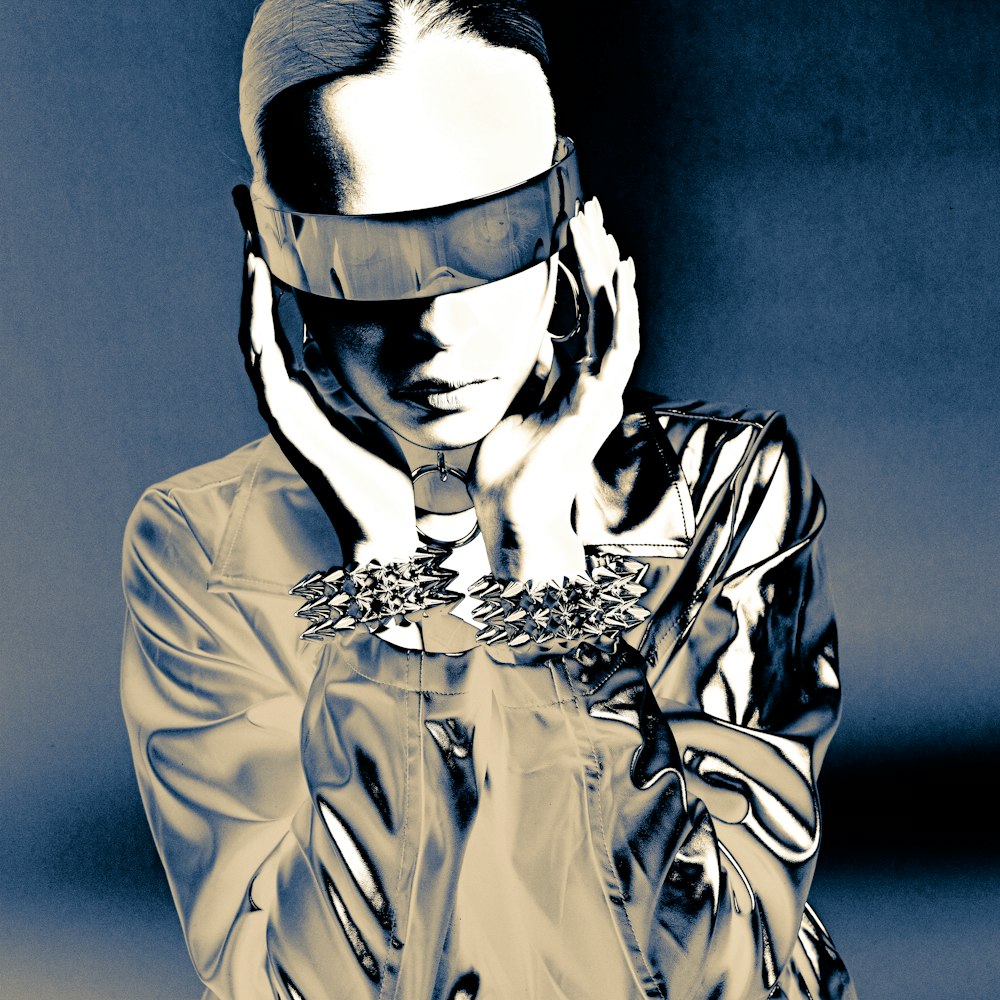
The convergence of AI image, video, and audio generation into unified workflows means fashion brands can produce complete multimedia content packages from a single creative brief. A product launch that once required separate photography, videography, and audio production teams now flows through a single AI platform.
Fittins AI already supports this convergence: generate a hero image, animate it into video content, and create accompanying audio elements, all from the same creative session. This multi-modal capability reduces production complexity and cost while ensuring visual and tonal consistency across all content types.
AI-powered virtual showrooms are beginning to replace traditional wholesale buying processes. Buyers can view entire collections on virtual models in customizable settings, request specific styling variations, and make purchasing decisions without attending physical trade shows or showroom appointments. This dramatically reduces the logistical complexity and carbon footprint of seasonal buying cycles.
Environmental concerns are becoming a primary driver of AI adoption in fashion. Brands that can demonstrate reduced waste, lower carbon footprints, and more efficient production through AI usage are gaining competitive advantage with increasingly environmentally-conscious consumers. The sustainability narrative is accelerating AI adoption beyond the pure efficiency case.
Creative directors are using AI as a collaborative thinking tool. Rather than waiting for concepts to be produced physically, creative directors generate rapid visual iterations of ideas during brainstorming sessions, presenting photorealistic concepts to stakeholders in real-time. This changes the dynamics of creative meetings from discussing abstract concepts to evaluating tangible visual options.
A new professional skill category is solidifying: AI prompt engineering for fashion content. Professionals who can translate creative briefs into detailed, photography-grade prompts that produce consistent, high-quality results are increasingly valued. This skill combines fashion knowledge, photography expertise, and AI platform proficiency into a new creative discipline.
Career Opportunity
Freelance AI fashion content creators are building profitable businesses on platforms like Fittins AI. By combining strong prompt engineering skills with fashion industry knowledge, these professionals offer brands an efficient alternative to traditional content production at a fraction of the cost.
The brands that will define fashion in the next decade are the ones adopting AI workflows today. The gap between early adopters and laggards is widening every month.
— Fittins AI Team