

The Rise of Virtual Fashion Models in 2026
Virtual fashion models have moved from novelty to mainstream production tool. Explore the technology, business cases, creative workflows, ethical considerations, and future trajectory of AI-generated fashion characters.

Made with Fittins AI · View this image
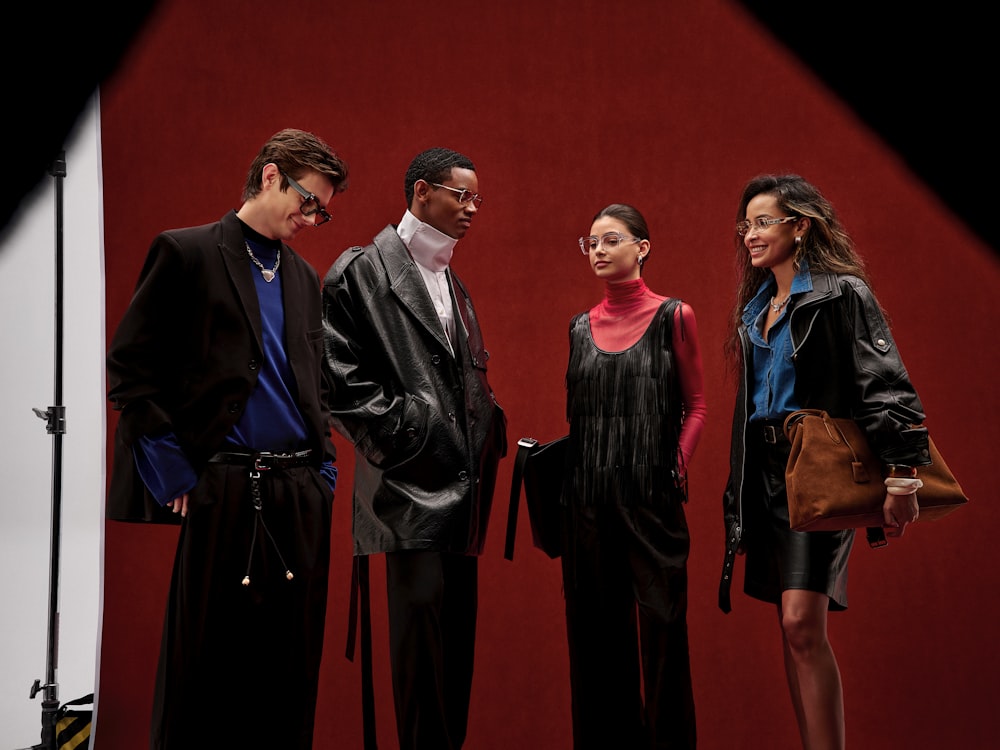
Virtual fashion models have completed their journey from experimental novelty to mainstream production tool. In 2026, brands ranging from independent startups to global fashion houses are deploying AI-generated characters as brand ambassadors, product models, social media personalities, and campaign faces. These virtual entities represent a new category of visual asset that combines the consistency brands crave with the creative flexibility that traditional model booking cannot provide.
This article examines the full landscape of virtual fashion models: the technology that makes them possible, the business cases that drive adoption, the creative workflows that maximize their value, the ethical considerations that responsible brands must address, and the future trajectory of this rapidly evolving category.
The Technology: How Virtual Fashion Models Are Created
On Fittins AI, virtual fashion models are created with the custom model (character) feature. You create a character from a single reference photo or from a text description, then reuse it across generations to keep facial features, body proportions, skin characteristics, and overall aesthetic consistent.
Reference Photo or Description
Start with one clear, well-lit reference photo of the character you want to create, or write a detailed text description of their face, body proportions, and distinctive features. The quality of your reference photo or description directly determines the consistency and accuracy of the resulting virtual model.
Character Creation
Fittins AI creates the character from your photo or description, capturing key visual characteristics: facial structure, skin tone, body type, hair texture, and other defining features. The result is a reusable custom model you can select in any generation. Each custom model costs 40 credits; plans include up to 10 (Creator Kickstart and Starter), 50 (Pro and Business), or 100 (Enterprise), and the Free plan has none.
Generation and Validation
Test your virtual model with a range of generation prompts: different outfits, settings, poses, and lighting conditions. Validate that the character maintains consistency across diverse contexts. If needed, create a new version from a better reference photo or a more detailed description.
Production Integration
Once validated, integrate the virtual model into your regular content production workflow. Use the character across e-commerce product shots, social media content, campaign imagery, and any other visual content where model consistency matters.
The technology has matured to the point where virtual models exhibit natural skin textures, realistic hair behavior in different conditions, authentic interaction with clothing fabrics (drape, fit, tension), and convincing emotional expressions. The Fittins AI Premium and Ultra model tiers are aimed at the most detailed results (Premium for images from Creator Starter, Ultra from Creator Business).
The Business Case: Why Brands Are Adopting Virtual Models
The adoption of virtual fashion models is driven by clear, quantifiable business advantages that compound over time.
Unlimited Availability and Zero Scheduling Constraints
A virtual model is available 24/7, 365 days a year. No booking windows, no agency negotiations, no travel schedules, no weather dependencies. When a new product arrives and needs imagery immediately, the virtual model is ready. When a social media trend demands same-day content, there are no scheduling barriers. This availability eliminates one of the most persistent bottlenecks in fashion content production.
Perfect Visual Consistency
Brand consistency is one of the most valuable and hardest-to-maintain assets in fashion marketing. With human models, slight variations in hair, makeup, weight, skin condition, and energy levels create subtle inconsistencies between shooting sessions. A saved virtual model keeps a consistent look across images, campaigns, and seasons. This consistency builds brand recognition and customer trust at a level that traditional photography cannot match.
Cost Predictability
Traditional model booking involves variable costs: day rates that change based on demand, agency fees, travel expenses, usage rights negotiations, and overtime charges. Virtual models run on a fixed monthly subscription, with a set number of credits per month and full commercial rights to what you generate. This transforms model imagery from a variable, unpredictable expense into a fixed, plannable budget line.
Creative Freedom Without Physical Constraints
Virtual models can be placed in any environment, from a studio to a mountain peak to a fantasy setting, without physical production constraints. They can wear any outfit without fitting sessions. They can demonstrate poses and expressions that might be difficult to sustain in a real photoshoot. This creative freedom enables brands to realize visual concepts that would be impractical or impossible with traditional photography.
Virtual Model Business Impact Summary:
- Content production cost reduction: lower than equivalent traditional model photography, with no day rates or travel.
- Time-to-content: Hours instead of weeks from concept to published imagery.
- Content volume: more imagery per month at the same or lower budget, within your plan's monthly credits.
- Brand consistency: Perfect visual identity maintained across all channels and campaigns.
- Scalability: Content production scales with subscription tier, not with logistics complexity.
Ethical Considerations and Responsible Usage
The rise of virtual fashion models raises important ethical questions that every brand must address proactively.
Transparency and Disclosure
Consumers have a right to know when the images they see feature AI-generated models rather than human individuals. Leading brands are adopting clear disclosure practices: labels on images, dedicated website sections explaining their AI content approach, and transparent social media policies. This transparency does not diminish the value of AI content; it builds trust with an increasingly AI-aware consumer base.
Body Standards and Representation
Virtual models offer an unprecedented opportunity to improve representation in fashion imagery. Brands can create characters that reflect the full diversity of real consumers: different body types, skin tones, ages, hair textures, and abilities. However, this same technology can perpetuate unrealistic beauty standards if used carelessly. The responsibility lies with brands to intentionally design diverse, realistic, and inclusive virtual characters.
Industry Impact on Human Models
The adoption of virtual models affects the livelihoods of human models and the broader fashion photography ecosystem. A responsible approach acknowledges this impact while recognizing that AI is creating new opportunities: prompt engineering, AI content direction, character design, and hybrid production management are emerging roles that did not exist before.
Best Practice Guidelines
1. Always disclose AI-generated content to consumers. 2. Design virtual models that represent realistic body diversity. 3. Never use AI to replicate real individuals without explicit consent. 4. Maintain human creative oversight over all AI-generated content. 5. Support workforce transition through training and new role creation. 6. Use virtual models to supplement, not wholesale replace, human creative professionals.
Real-World Virtual Model Workflows
Understanding how brands actually use virtual models in production reveals the practical value beyond the theoretical advantages.
E-Commerce Catalog Production
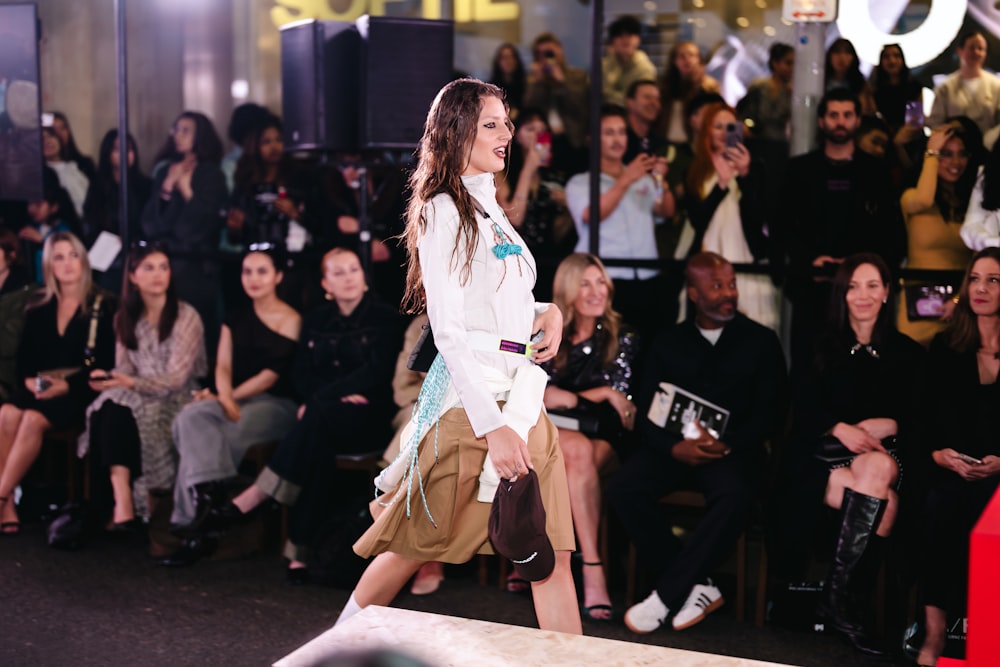
The most common use case: a brand creates one or two virtual models and uses them across their entire product catalog. Every product is shown on the same model(s), ensuring visual consistency. Color variants are generated by uploading a photo of each colorway. Multiple angles are produced from different prompts. Since an image takes about a minute and several generations can run at the same time, a product page with 4-6 images per product can be produced in under 30 minutes, compared to the hours or days required for traditional product photography.
Social Media Brand Identity
Some brands have created virtual characters that serve as brand personas on social media: recognizable characters that followers identify with the brand. These characters appear in daily content, seasonal campaigns, and community engagement posts, building a consistent visual identity that strengthens brand recognition over time.
Campaign Diversity Without Logistics
Brands targeting diverse markets create multiple virtual models representing different demographics. Each market segment sees campaign imagery featuring models that reflect their demographic reality. This level of visual personalization was logistically impossible with traditional photography but becomes straightforward with AI character generation.
The Future: Where Virtual Models Are Heading
The current state of virtual fashion models is impressive, but several developments on the near horizon will further expand their capabilities and adoption.
Emerging Capabilities:
- Video-native virtual models -- Virtual models that perform naturally in video content: walking, turning, gesturing, and interacting with environments in fluid motion.
- Real-time virtual try-on -- Customers uploading their own photos and seeing garments rendered on their body type using the brand's virtual model technology.
- Interactive virtual showrooms -- Virtual models presenting collections in immersive digital environments that buyers can explore interactively.
- Cross-platform consistency -- Virtual models that maintain perfect consistency across still images, video, 3D renders, and augmented reality experiences.
- Emotional range expansion -- Virtual models expressing a wider range of authentic emotions, moods, and character traits for more compelling storytelling.
Virtual models are not the end of human modeling. They are a new category that expands what is possible, serving use cases that human models cannot practically fulfill while creating new creative opportunities for the entire industry.
— Fittins AI Team
Continue reading


