Fashion's representation problem just lost its last excuse. AI removes every barrier — cost, logistics, agency availability — that brands have hidden behind for decades. The brands building inclusive casts are seeing measurable wins. Here is how to do it well, not just well-meaningly.
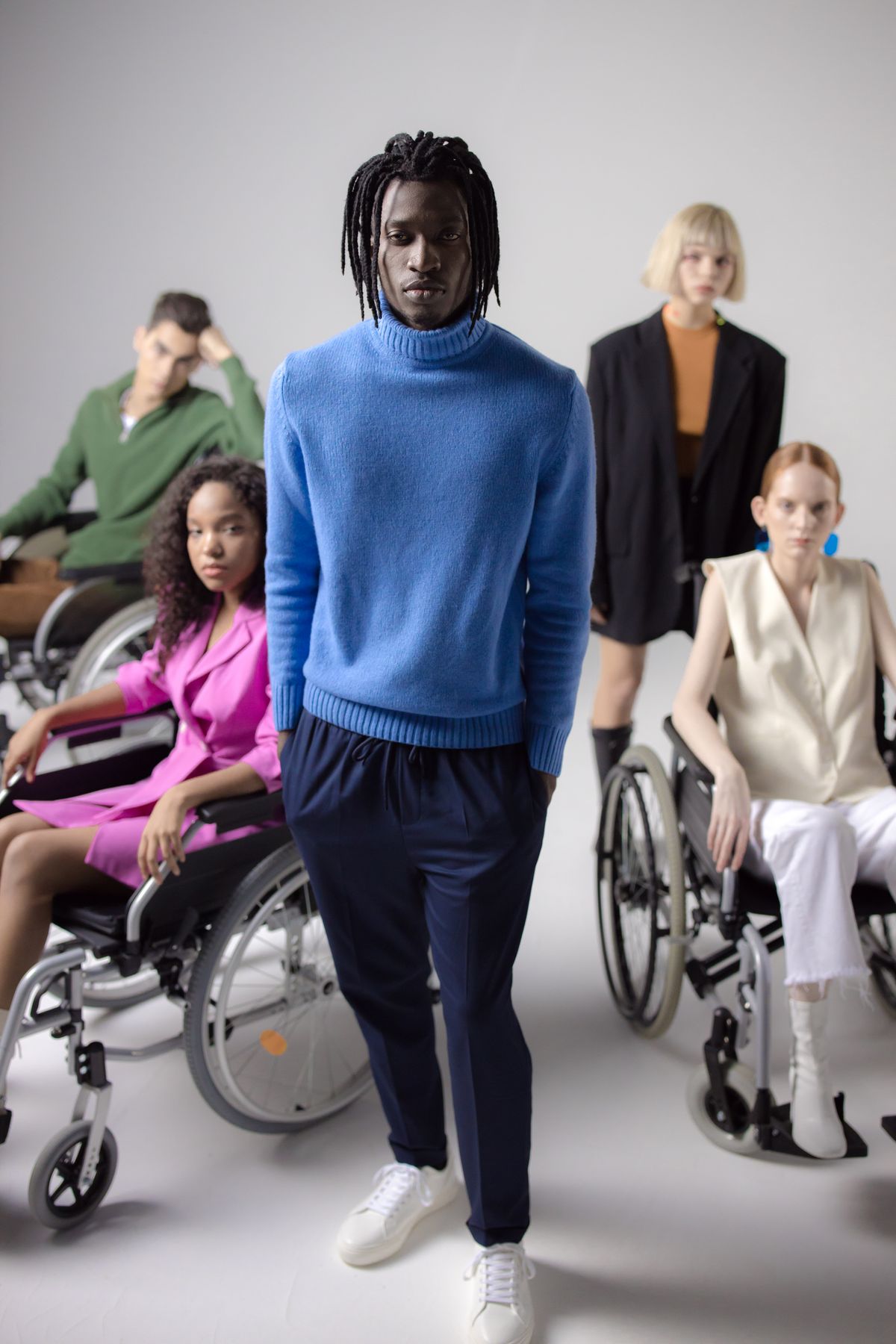
For most of fashion's history, the standard answer to "why does your campaign cast look the same year after year?" was a logistics one. Diverse models cost more to source. Plus-size sample sizes were not made. Older models were not on agency books. Models with disabilities were almost never seen in commercial work. The problem was real, the excuses were defensible, and the industry coasted on them for decades.
None of those excuses survive contact with 2026. AI removes every logistical barrier between a brand and a genuinely representative cast — and the brands that have noticed are quietly running away with the audience.
The Numbers Are Not Subtle
Brand campaigns featuring genuinely diverse casts consistently outperform single-demographic campaigns on engagement, save rate, and conversion — across almost every fashion category measured. The business case for inclusion stopped being theoretical years ago.
Think about what used to stop a brand from shooting a 65-year-old model alongside a 22-year-old in the same campaign. Two separate castings. Two travel budgets. Two sample sets in two different fits. Schedules to align. Agency margins on top. The friction was real, even when the intent was there.
With AI, the friction is zero. You can cast both models in the same shoot, in the same lighting, in the same garment line, in five minutes. The same is true for every other dimension of representation that fashion has historically excluded. The decision to be inclusive is no longer an operational decision — it is purely a creative one. And creative decisions are tests of taste and intent, not of resources.
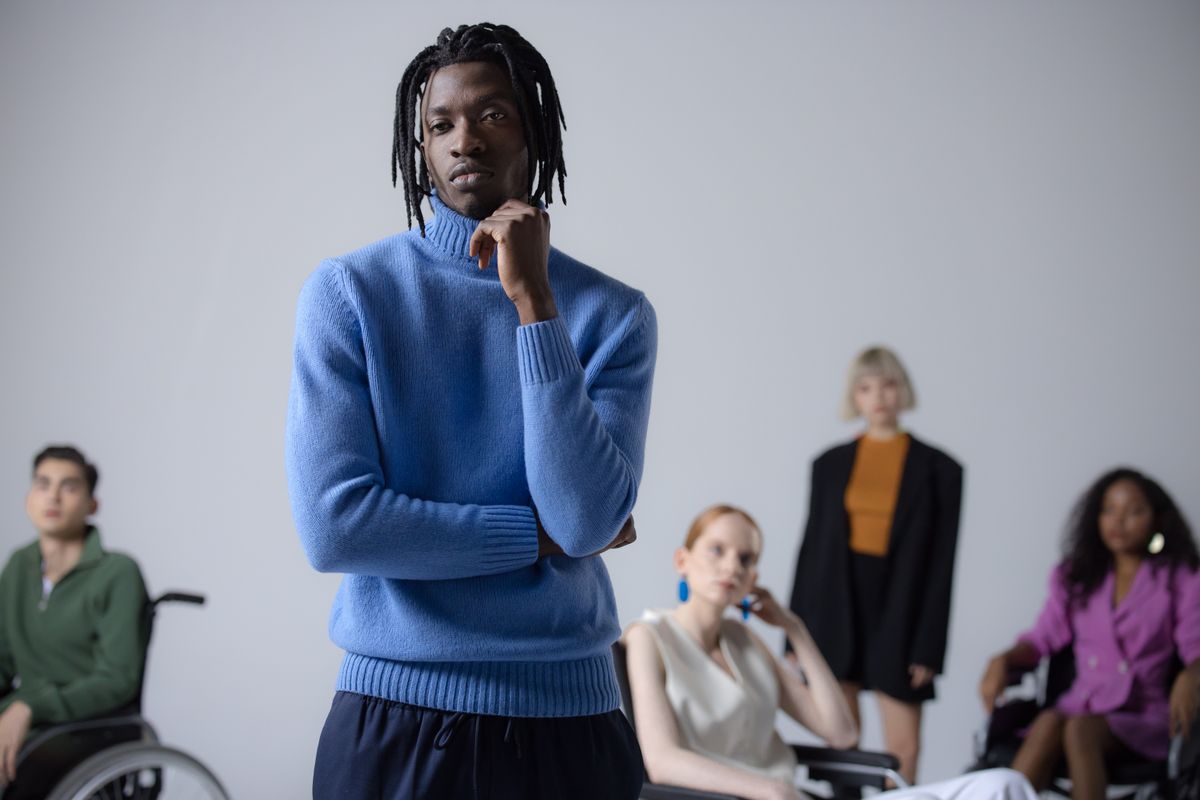
Inclusion is not a single dimension. The brands that are getting this right are thinking across multiple identity axes at once — not picking one to perform and ignoring the rest. The starting list every casting brief should now consider:
The Dimensions of Inclusive Casting
Go Beyond the Obvious
The dimensions most brands remember are body and ethnicity. The ones most brands forget are age, ability, and gender expression. If your inclusive cast includes the first two but none of the others, you are still leaving the majority of your audience out of the frame.
Pull up the last twelve pieces of content you produced. Lay them out. Count: how many distinct body types, age ranges, ethnicities, ability presentations, and gender expressions are present? Most brands are surprised — and slightly uncomfortable — at the answer. That discomfort is the starting point.
Not every brand needs to represent every dimension equally. A modest-fashion label has different priorities than a streetwear brand. Look at your *actual customer base* — not the imagined one in your mood boards — and identify which dimensions of representation are most missing and most important to address first.
This is the deepest shift. Most brands cast aspirationally — featuring the customer they wish they had. The brands winning at inclusion are casting *descriptively* — featuring the customer they actually have. The aspirational customer often turns out to identify with the descriptive cast, while the descriptive customer never identifies with the aspirational one. The maths only goes one way.
Apply the same consistency rules from any custom-character workflow: when you find a model who works, save them, name them, and reuse them. A diverse cast that returns again and again across your content builds genuine recognition with the audience that sees themselves represented. One-off appearances do not.
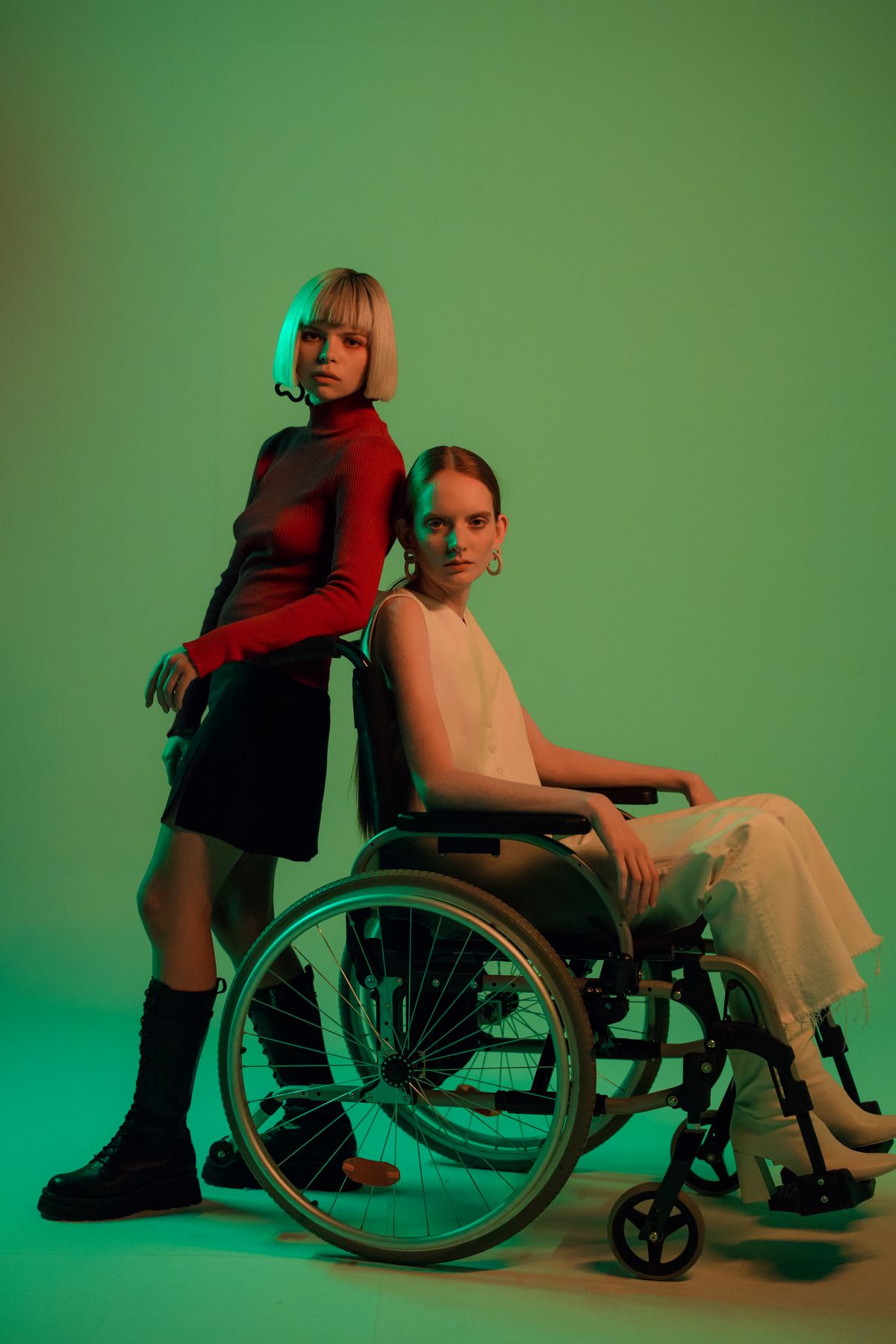
Inclusive prompting has its own pitfalls. Vague descriptors produce stereotypes. Lazy shorthand produces caricature. The same care you would take describing any model — specific features, specific energy, specific styling — has to extend to every dimension of identity, not collapse into generic markers.
❌ LAZY (vague, stereotyping):
"A plus-size model wearing the dress."

✅ SPECIFIC (full person, full direction):
"A confident model with a curvy size-18 figure, mid-30s,
rich auburn hair in soft waves, hand on hip with a natural
relaxed smile. She wears the dress with the same
self-possession the brand asks of every model — no
apologetic posing, no sleight-of-frame angles. Even
front-lit, full body in frame."The Stereotype Shortcut Is the Failure Mode
When prompts get lazy, the AI reaches for stereotypes — the "elderly grandmother" pose, the "plus-size model angled to look smaller", the "diverse hand model" tucked in a corner. The fix is not better intent; it is more specific direction. Tell the AI exactly who this person is and exactly how they own the frame.
One diverse face in nine is not inclusion. One older model who only appears in the "active retirement" sub-collection is not inclusion. A wheelchair user cropped to the chest-up so the chair never appears is not inclusion. Audiences read these moves instantly, and the brands that try them lose more trust than they would have gained by simply not trying.
Real inclusion shows up in the unremarkable middle of your content — not the special-edition campaigns, not the heritage-month posts, but the regular Tuesday product shots. When your everyday content reflects everyone, you have moved from performative inclusion to actual inclusion. Audiences notice. They notice fast.
What Genuine Inclusion Looks Like in Practice
Brands that have gone genuinely inclusive — not in a campaign, but in the structural casting of all their content — are reporting consistent, measurable gains: higher engagement on social posts, longer time-on-page on product detail views, lower return rates on garments where customers can see someone with their body in them, and meaningful lifts in repeat purchase from previously-underserved segments.
The through-line in every one of those metrics is the same: customers buy from brands that see them. They scroll past brands that do not. Inclusion stopped being an ethics conversation and became a pure performance one.
For the first time in fashion's history, the cost of casting your real audience is exactly the same as the cost of casting your imagined one. Every brand now has a choice. The brands that choose well are the ones the next generation will actually wear.
— Fittins AI Editorial
Cast the Real World
Fittins AI gives you the custom model and prompting depth needed to build a cast that genuinely reflects every kind of person who buys what you make. There has never been a better moment, or a smaller excuse, to start.
Continue reading