

The Digital Muse: Crafting AI Fashion Models That Become Your Brand's Signature Face
Why character consistency is the single biggest unlock in modern AI fashion content — and how to build a digital model library that makes every campaign instantly recognisable.

Made with Fittins AI · View this image
For a hundred years, fashion brands have been built on faces. Twiggy was the 60s. Linda Evangelista was the 90s. A great brand and a great face become inseparable in the public imagination — and that recognition is one of the most valuable assets a label can ever own.
In 2026, something quietly revolutionary is happening: brands are building that same kind of recognition with digital muses — custom AI fashion models who appear in every shoot, every reel, every campaign, with the same face, the same energy, the same story. The casting director's job has not disappeared. It has been reborn.
Why This Matters
A scattered AI feed — twelve different "models" in twelve different posts — reads as content. A consistent digital muse who shows up week after week reads as a brand. The technology now exists to choose which one you are building.
The Consistency Problem (And Why It Used To Be Unsolvable)
Anyone who has spent time generating AI fashion imagery knows the frustration. You produce a stunning image of a model — exactly the bone structure, exactly the energy, exactly the colour palette you wanted. You go to generate the next look in the same campaign, and a completely different person shows up wearing your garment.
This is the consistency problem, and until recently it was the single biggest blocker between AI-generated content and real, professional, brand-grade output. You cannot build a campaign on twelve unrelated faces. You cannot build a brand on a stranger every Tuesday.
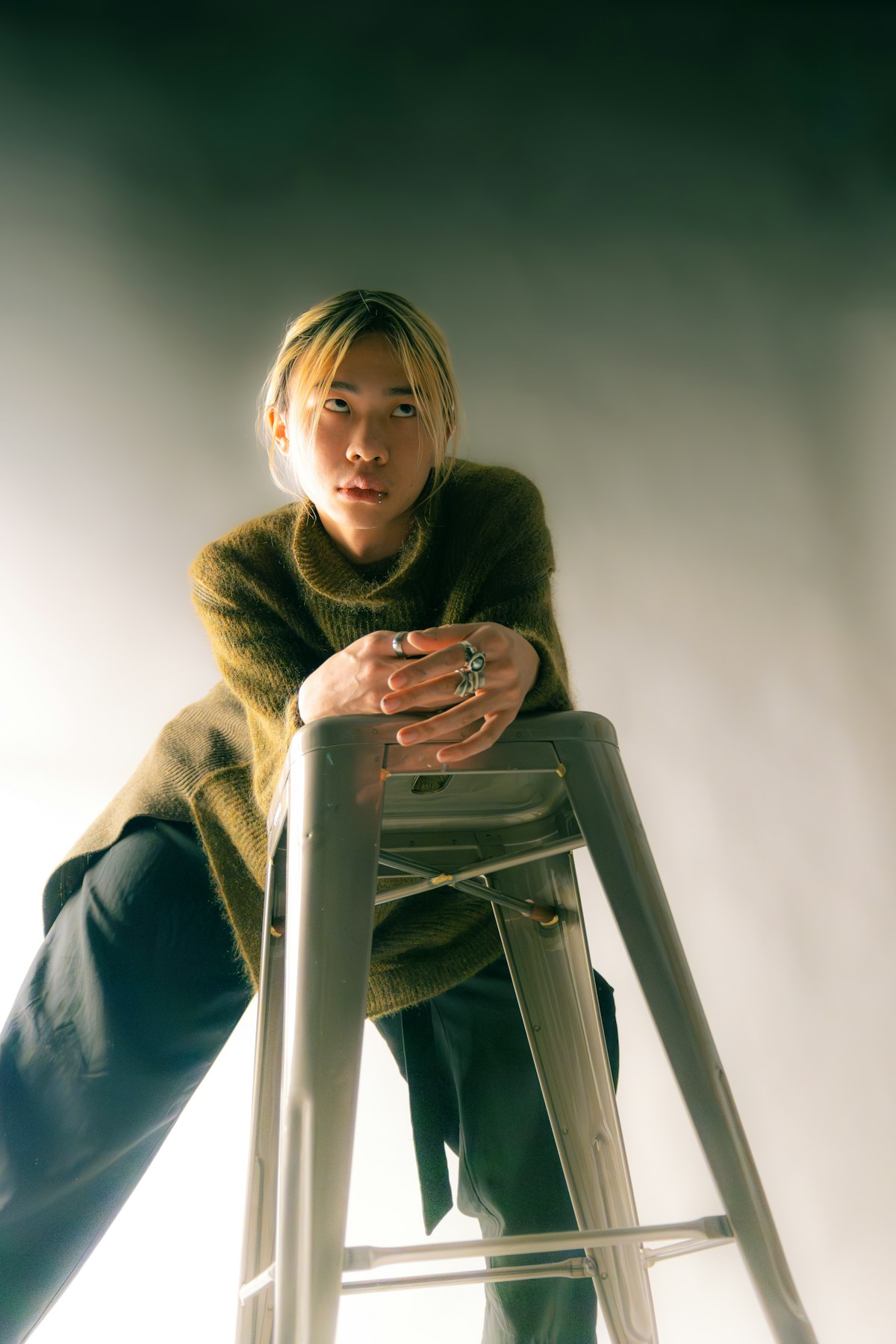
The Custom Character Solution
The breakthrough is the move from generating a model every time to saving a model once and reusing them forever. Instead of describing your ideal face in every prompt and praying, you create a custom character once — defining their facial structure, age, ethnicity, body type, hair, and signature styling — and then call that exact character into every future generation.
The shift sounds technical, but the implication is enormous: you now have the same creative control over your "talent" that a fashion house has had over their muses for the last century. You are casting, not gambling.
The 80/20 of Casting
Spend more time on your first custom model than feels reasonable. Half a day of careful tuning on the one face you will use across an entire season is worth ten times the effort spent re-prompting a different face for every shoot. The first model you save is the most important creative decision you will make.
Step-by-Step: Casting Your First Digital Muse
Write a Casting Brief Before You Touch the Tool
Treat this like a real casting call. Who is this person? What age range, what energy, what cultural reference? Are they aspirational and untouchable, or relatable and approachable? Write three sentences describing who they are as a person, not just how they look. This brief becomes the spine of every prompt you write later.
Generate a Wide First Pass
Produce a set of candidates from your brief. Each custom model costs 40 credits, and plans allow 10 (Creator Kickstart and Starter), 50 (Creator Pro and Business), or 100 (Creator Enterprise), so on smaller plans keep this pass to a handful of strong options. Do not commit to anyone yet. You are looking for the one face that makes you stop scrolling. The face that feels alive. Trust your gut on this; the same instinct works as for human casting.
Lock the Character
Once you have your one, save them as a reusable character. From this moment on, this face exists. They have a name in your library. They will turn up in every shoot you assign them to, frame after frame, with their bone structure intact.
Build Their Range
A great model has range — different poses, different moods, different lighting conditions, but always recognisably them. Spend a session generating your locked muse in five or six different scenarios so you understand how they read in each. This becomes your reference library.
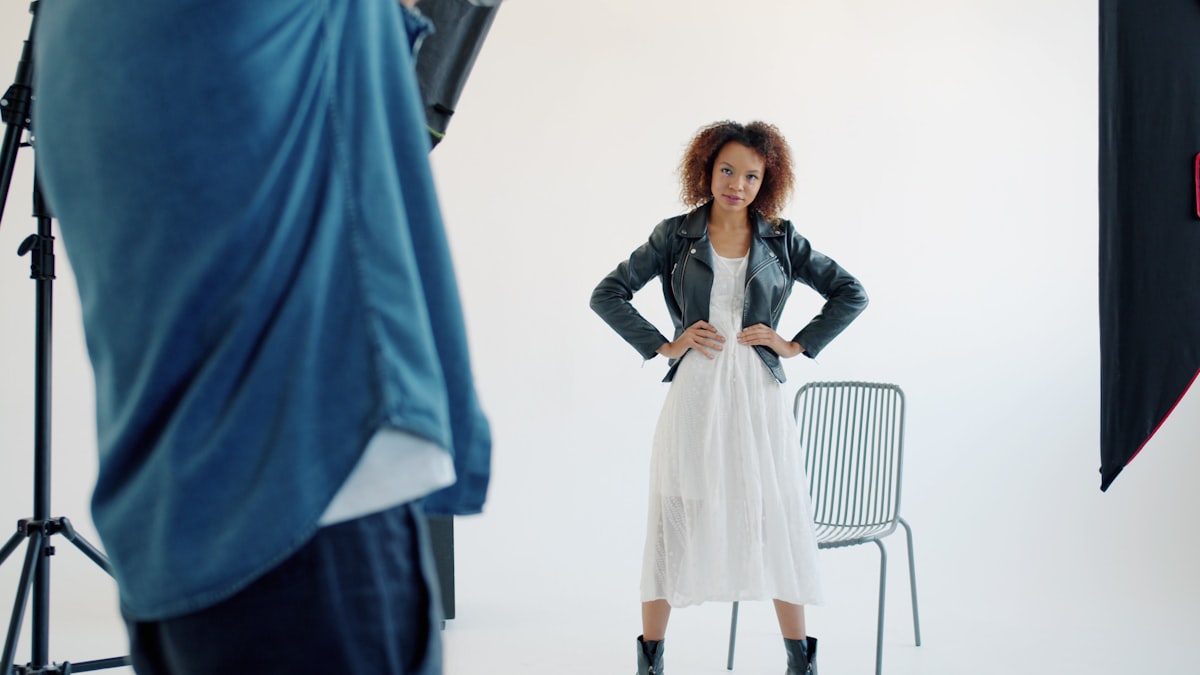
System Models vs. Custom Muses: When to Use Each
Custom characters are not always the right answer. Sometimes you need a one-off look, a different face for an editorial story, or a quick test before you commit to a direction. The professionals know when to reach for each tool.
Use the Built-In Model Library When...
- You are testing prompts and concepts before committing to a campaign direction
- You need quick variation across many face types (e.g. catalogue work covering broad demographics)
- You are creating an editorial story that benefits from multiple distinct characters
- You are still in the exploration phase and have not locked your brand identity yet
- You need a fresh face for a single one-off post or test shoot
Use a Custom Muse When...
- You are building a recognisable brand identity over weeks and months
- You are running a multi-image campaign that needs to feel like one shoot
- You want followers to associate a specific face with your label
- You are producing content at high cadence and need a unifying thread
- You are creating a serial story — lookbook chapters, ongoing reels, episodic content
A Hybrid Approach Often Wins
Many serious brands run two or three custom muses in parallel — each one anchoring a different product line or audience segment. The library is yours to design.
Directing a Digital Muse Like a Real One
Once your character is locked, the creative work begins. The prompt structure matters: lead with the character, then layer the story around them. This single change in prompt order is the difference between a generated image and a directed one.
❌ WEAK STRUCTURE (story first, model lost):
"A rainy evening in Tokyo, neon reflections on wet asphalt,
featuring a model wearing a black trench coat."

✅ STRONG STRUCTURE (muse first, story serves her):
"[MAYA — locked custom character], standing under neon
signage on a rain-slicked Tokyo street at dusk. Black
wool trench, hands in pockets, calm gaze toward the
camera. Her familiar quiet confidence. Cinematic, 35mm,
shallow depth of field."The "Familiar Energy" Trick
Add a short emotional descriptor that has become associated with your muse — "her quiet confidence", "his playful smirk", "her trademark stillness". This nudges the model toward consistent expressions, not just consistent features. Over time, your muse develops a personality, not just a face.
The Long Game: Building a Cast
A single muse is a starting point. The brands building real long-term content advantage are creating casts — three to five locked characters that play different roles across their content universe. The muse who fronts the main editorial. The friend who appears in lifestyle reels. The aspirational figure who anchors the campaign film.
This is exactly how television showrunners think about ensembles, and it works in fashion for the same reason: audiences fall in love with people, not products. Give them people to follow, and they will follow your products too.
The brands that win the next decade will not be the ones with the best AI tools. They will be the ones who use those tools to build characters their audience actually cares about.
— Fittins AI Editorial
Cast Your Muse Today
Fittins AI lets you create, save, and reuse custom fashion models with full control over their look and identity. Start with one muse, build a cast over time, and watch your content stop feeling like generations and start feeling like a brand.
Continue reading
